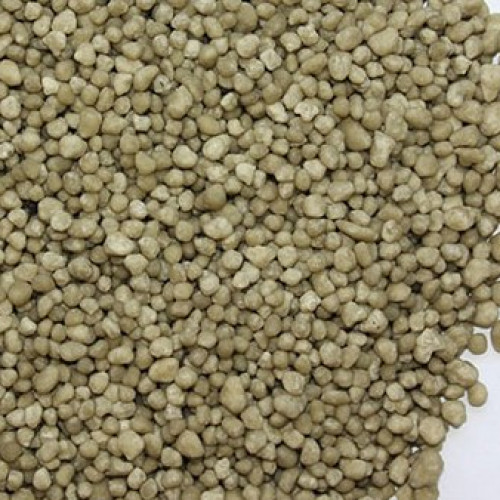
Monoammonium Phosphate (MAP)
Fertilizers
Fertilizer MAP Introduction:
Chemical Formula: NH4H2PO4
Mono-Ammonium phosphate (MAP 11-52-0) is a widely used source of phosphorus (P) and nitrogen (N). It’s made of two constituents common in the fertilizer industry and contains the most phosphorus of any common solid fertilizer. It’s a lower PH phosphate fertilizer, it’s an excellent dry, and best used for high-alkaline soils. It is an ideal starter fertilizer because MAP contains less ammonia-nitrogen.
Ammonia gas is combined with phosphoric acid, granulated, dried and screened. MAP has been an important phosphate fertilizer for growers around the world for many years. The nitrogen in MAP is in the ammonium form, which resists leaching and is a slower release form of nitrogen. The product has an acid reaction in the soil which can be an advantage in neutral and high pH soils. Therefore, MAP is used in preference to DAP on alkaline soils.
Physical Form:
It is completely water soluble, generally applied in the granular form and used in the formulation of suspension fertilizers. As a granular material, it mixes well and frequently serves as an ingredient in bulk-blended fertilizers.
USES:
One of the major cropping fertilizers used in various countries as a source of phosphorus and nitrogen, MAP and MAP blends are used extensively in cropping systems and for sowing pastures. The low level of nitrogen makes it useful as a ‘starter’ fertilizer and as there is no free ammonia, the risk of affecting germinating seeds is minimal.
Growers apply granular MAP in concentrated bands beneath the soil surface in proximity of growing roots or in surface bands. It’s also commonly applied by spreading it across the field and mixing it into the surface soil via tillage.
It would be used for long term soil building.
GRADES:
Binary fertilizer consisting of two elements
Nitrogen and Phosphorus
1. 11-52-00